Car Lockout Barcelona Service
When a pocket empties and a door stays shut, the right advice makes a difference. I will walk through emergency measures, nonemergency options, and tips to decide between a quick fix and a proper lock change. The tone is practical and based on trade experience, not on sales copy.
What to do first when you're locked out of a car or home in Barcelona
If you discover you are locked out, stop and assess rather than panic. Quick checks include whether a roommate, family member, or nearby concierge has a spare key and whether an accessible window or balcony could be used safely. When safety is a concern, relocate to a populated area and call a locksmith from there rather than standing alone at the door.

Modern cars sometimes hide mechanical emergency releases under plastic covers, so check the manual or the internet for your model if you can. A trustworthy locksmith gives a time window, an initial price range, and a brief explanation of likely methods. If the number quoted seems low by half, treat that as a warning sign and request ID and a business card on arrival.
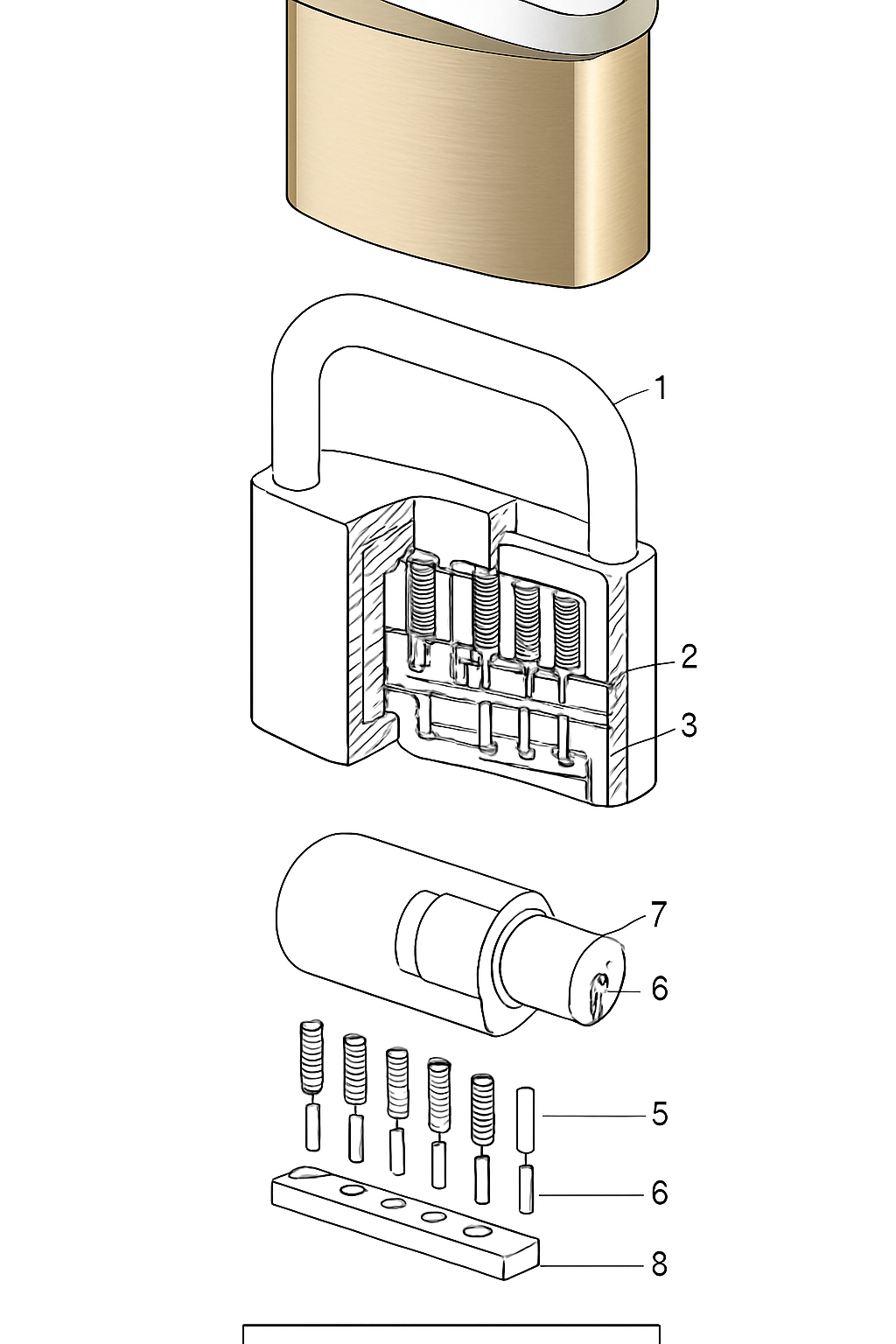
When to call a professional versus trying a quick DIY
There are lockouts you can solve without a professional and situations where calling a locksmith is the sensible choice. Small mechanical latches can be manipulated with improvised tools, but improper force will break the card or damage the frame. If you are dealing with a deadbolt, a multi-point lock, or an armored door, call a locksmith immediately.
For car lockouts, modern vehicles with transponder keys or electronic fobs often need dealer-level or locksmith diagnostic tools. A measured attempt with proper technique can sometimes work, but hard pulling, prying, or drilling will escalate costs fast.
How locksmith pricing works in Barcelona and what to expect
Costs change depending on whether the job is daytime, nighttime, a weekend, or in a central versus outlying neighborhood. If you call at 3 a.m., expect to pay noticeably more than for the same service at noon. Most locksmiths will charge a call-out fee plus labor and any parts; always ask for a breakdown.
Prices depend on local market factors and should be treated as estimates unless the locksmith assesses the lock in person. For a simple night-time door opening you might see prices from moderate to high, while a full lock change will be higher and include parts.
Questions to ask a locksmith before letting them work
Trustworthy technicians carry ID, a company name, and a landline or verifiable business address in addition to a mobile number. If the locksmith hesitates to provide a clear, written price or pushes for cash only, consider it a red flag. Prefer technicians with consistent, recent reviews rather than old testimonials that may no longer reflect current service.
If you can, ask whether the locksmith is bonded or insured and if they provide a work guarantee. Unmarked cars are not always a problem, but combined with a very low quote they are a warning sign.
Why lock type matters when you're locked out
Multi-point systems that lock at several points along the frame are common on newer doors and require a different opening technique. If your cylinder shows signs of tampering or the key resists, plan for a replacement with anti-snap, anti-pick, and anti-drill features. Armored doors can have hidden bolts and reinforced hardware that add time and cost to any opening or repair.
If your vehicle uses a transponder, budget for a locksmith who can clone or program keys on site. When you plan ahead, upgrading to certified anti-snap cylinders or a registered key system reduces future risk.
When to accept repair damage and when to replace the lock
Good locksmiths prefer techniques that preserve the lock and door because replacements raise the final bill. If you see rust, a bent key, or difficulty turning, plan for a full cylinder replacement rather than repeated patchwork. In car lockouts, forcing a window or drilling a lock often costs far more than proper entry by a trained technician.
When you replace a lock, choose hardware rated for the specific door type and for residential or commercial standards. If you rent, check with your landlord before making changes, and request permission in writing if required.
How to reduce the chance of future lockouts
Simple habits and inexpensive hardware prevent many lockouts and relieve stress at odd hours. Keep at least two reliable spares with trusted people or in a secure key safe rather than under a plant pot. Hybrid approaches work well: a mechanical back-up, a key safe, and a lock change Barcelona primary smart lock for daily convenience.
Label keys carefully and rotate spares if you share housing with multiple people, because mismatched keys cause confusion and delays. These upgrades are best planned and budgeted for, because they involve measuring, ordering parts, and professional installation.
How to document the job and prepare for future needs
After the locksmith finishes, check the work carefully and keep the invoice and any part numbers. A photo record helps when you later shop for replacements or when an insurer asks for proof of security upgrades. If the locksmith recommends a follow-up visit or adjustment, schedule it within the guarantee period rather than delaying indefinitely.
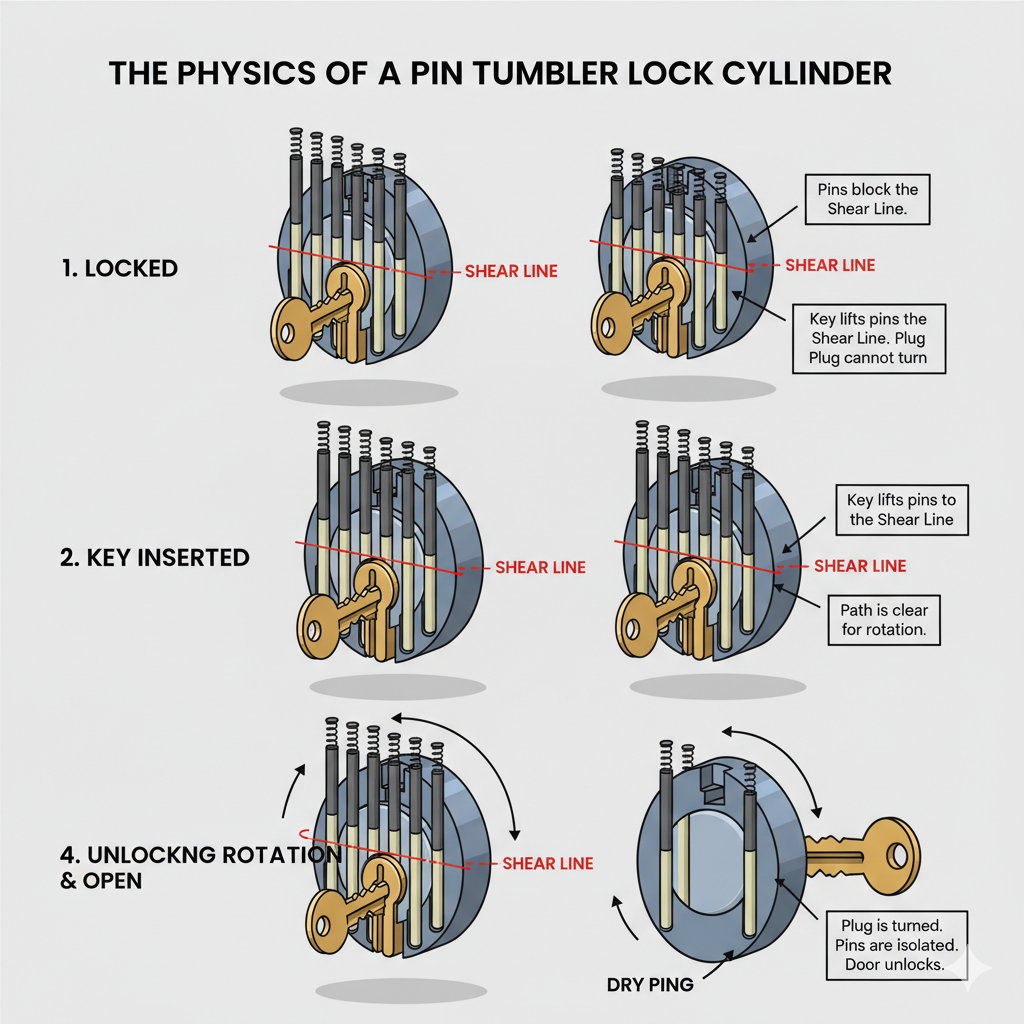
Choosing a locksmith next time: a short checklist to save time and money
Having pre-vetted contacts reduces the stress of making a hurried decision and lets you compare arrival times and prices. Ask whether they are local, insured, and able to issue invoices with tax ID, and ask for an estimated arrival time. Save the contact details in your phone under a clear name and note any standout experiences after each job.
A few minutes of explanation avoids repeated callbacks for small adjustments. Pay for reliability and proof rather than for the lowest immediate price when your home or car security is at stake.
Common myths about locksmiths and the real trade-offs
A common myth is that all locksmiths can open every lock quickly and cheaply. A transparent pro will explain contingencies and when extra costs might be necessary. Professionals prefer non-destructive entry for that reason unless the lock is already compromised.
A locksmith cannot legally duplicate restricted keys without authorization or force entry without consent. If a locksmith refuses work because you cannot prove ownership, use municipal resources or building management rather than forcing the issue.
These five points separate casual responders from professionals and help you choose under pressure.
If you follow these steps, you will reduce stress, lower costs, and increase the odds that a locksmith visit solves the problem permanently rather than temporarily.